Global
EN

Leptospirosis in Cattle

Introduction

Leptospirosis is an infection in animals caused by Leptospira interrogans bacteria, leading to intoxication, damage to internal organs, and, ultimately, death. Leptospires can remain active in the environment for a long time and accumulate in stagnant water or moist soil. Rodents and infected animals often serve as carriers. Infection can have catastrophic consequences for farms. Calves are among the most severely affected by leptospirosis. The disease is also no less dangerous for humans.
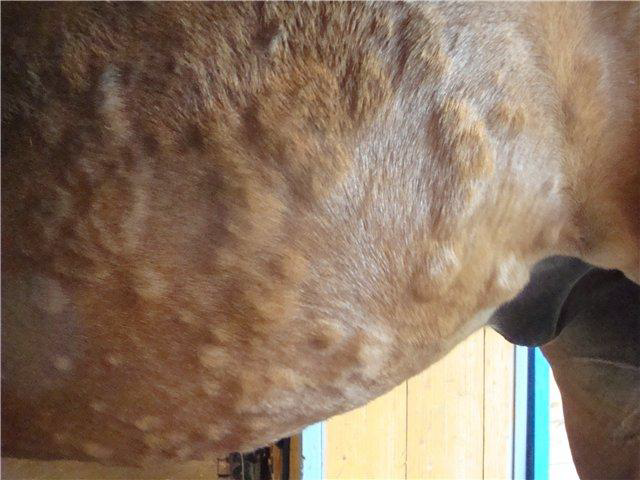
Лептоспироз КРС фото

CAUSES OF LEPTOSPIROSIS IN CATTLE

A frequent cause of the disease is failure to follow proper grazing practices and hygiene in animal housing. Infection usually occurs in warm weather on marshy pastures or through bedding and feed previously contaminated with leptospirosis, for example by rodent feces or the urine of another animal. Leptospires enter through any wounds in the skin or mucous membranes, quickly enter the bloodstream, and spread throughout the body. This leads to the destruction of red blood cells in the blood, which is reflected in characteristic symptoms as early as 2-5 days after infection.

SYMPTOMS

  • weakness and unsteady gait
  • fever up to 41 °C
  • anemia
  • painful urination
  • bloody urine
  • rapid pulse
  • painful breathing
  • bruising on the mucous membranes and skin
  • jaundice on day 3
  • among the severe consequences of inadequate treatment are kidney failure, heart failure, and death.

DIAGNOSIS

Diagnosis is based on the clinical picture and is supported by bacteriological, microscopic, histological, serological, and pathological examinations.

TREATMENT

The greatest effectiveness in the treatment of leptospirosis in cows and calves is shown by next-generation product from NITA-FARM. The treatment protocol should include the following product:

  • Amoxicillin 150. A 100% effective Russian alternative to popular broad-spectrum antibiotics with antibacterial activity. Only one injection is required. The maximum serum concentration is reached within 1-2 hours, with a therapeutic effect maintained for 48 hours. It is used in the treatment of bovine leptospirosis.

PREVENTION

To help prevent leptospirosis in cattle, the following measures are recommended:

  • examine animals regularly
  • quarantine incoming animals for one month
  • carefully select grazing areas
  • eliminate rodents on the farm
  • use antibacterial products to treat housing facilities.

Related materials